Featured
Table of Contents
Everyone experiences despair in different ways. Your experience of grief and how you deal with it will certainly depend on various aspects. These might include your age, previous experiences with despair and your spiritual or religious views.
Anticipatory grief means sensation unfortunate before the loss occurs. As opposed to regreting for the individual, who is still with you, you might feel pain for the important things you won't obtain to do with each other in the future. When facing a considerable loss, such as the death of an enjoyed one, it is all-natural to feel lots of strong feelings.
Individuals diagnosed with an incurable illness and those dealing with the fatality of a liked one might experience anticipatory pain., you may experience lots of feelings consisting of shock, anxiety and unhappiness.
Building a Life of Authentic Fulfillment in San Francisco
You grieve lost possibilities or experiences you'll miss also tiny ones, such as the satisfaction of the sunshine or a hot cup of coffee. If somebody you enjoy is facing an incurable illness, it prevails to experience awaiting pain in the months, weeks and days before fatality. You might grieve the very same points your enjoyed one is grieving, or different losses entirely.
You may really feel that the person you recognized is currently gone, even if they are still physically there. If your enjoyed one has a decline in physical wellness or mobility, you could really feel anticipatory pain as you shed the possibility to share experiences, such as pastimes, vacations or occasions.
This is especially real if you invest a whole lot of time caring for the person. You may miss out on activities you made use of to delight in together and feel grief concerning the modification in your connection. The nature of your connection may change as you take on a carer's role, or end up being the one being taken care of.
Sensations of sorrow before fatality are regular it's crucial to recognise them, and to speak about them. Experiencing awaiting pain does not always imply that you will regret your enjoyed one any less after they are gone.
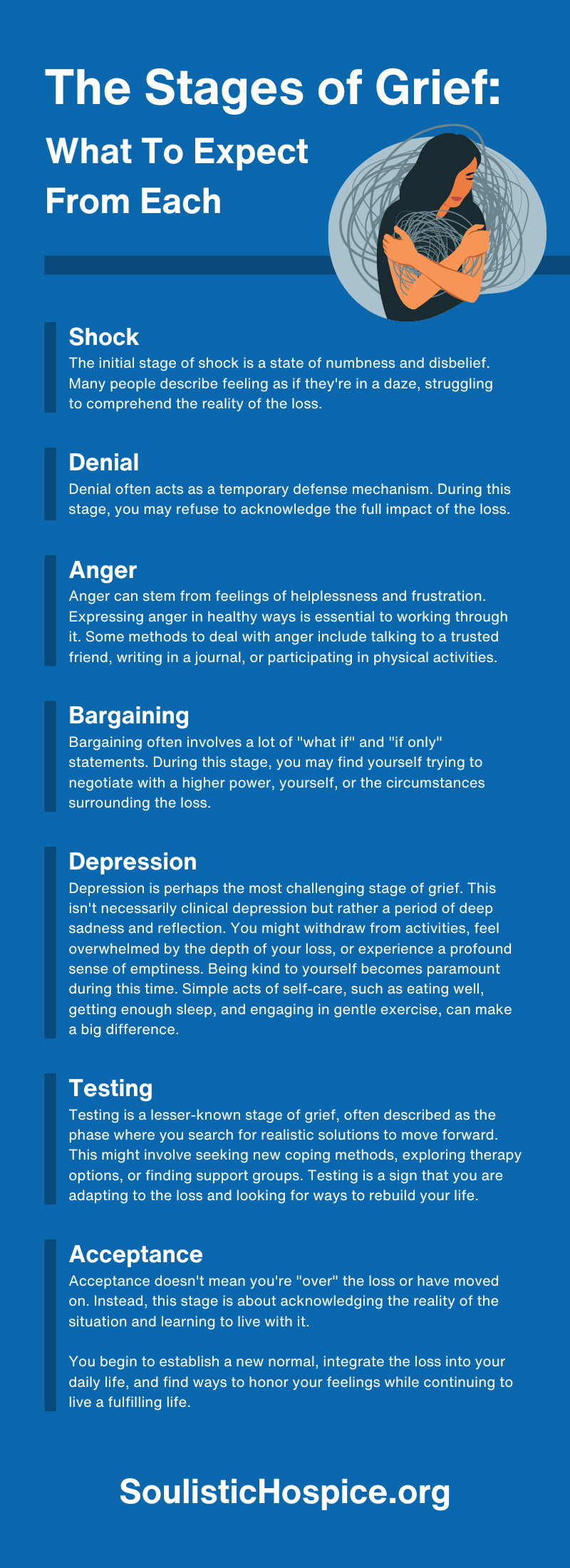
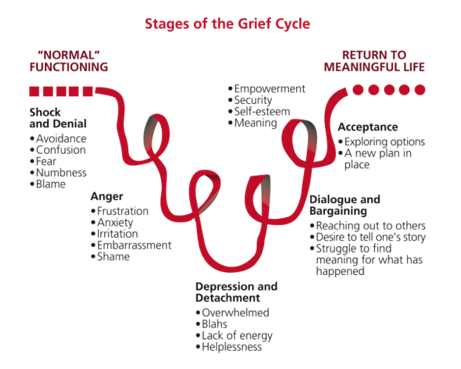
In fact, we do not experience sensations of grief one at a time or in a specific order. You might experience these things due to the fact that they are all normal feelings of pain.
Some individuals really feel numb after the fatality of a person they cared about. If you experience this, it could be because it's just also hard to think that the person you know so well is not coming back.
Core Self vs. Polished Image: Reclaiming Your True Path Through Therapy in Your Journey
Maybe they assure themselves that they will now constantly do (or not do) something, believing that it might make the person who has actually died come back. Or perhaps they believe it will stop any person else passing away or other negative things occurring. This is often called 'magical reasoning'. Individuals may additionally find that they keep going back over the past and ask great deals of 'what happens if' concerns, wishing that they could return and alter things to make sure that they can have ended up differently.
These feelings can be really intense and painful, and they might come and go over many months or years. Yet the majority of people locate that agonizing sensations similar to this ended up being much less strong with time. If you do not feel this is the situation for you, after that you ought to request aid.
Her version came to be widely approved as a method to comprehend despair, yet with time, pain counsellors and scientists broadened upon it, bring about the advancement of the. This extended version integrates additional emotional responses that people might experience: The preliminary reaction to loss frequently brings shock and disbelief. This stage works as a safety mechanism, permitting us to take in the fact of our loss in workable doses.
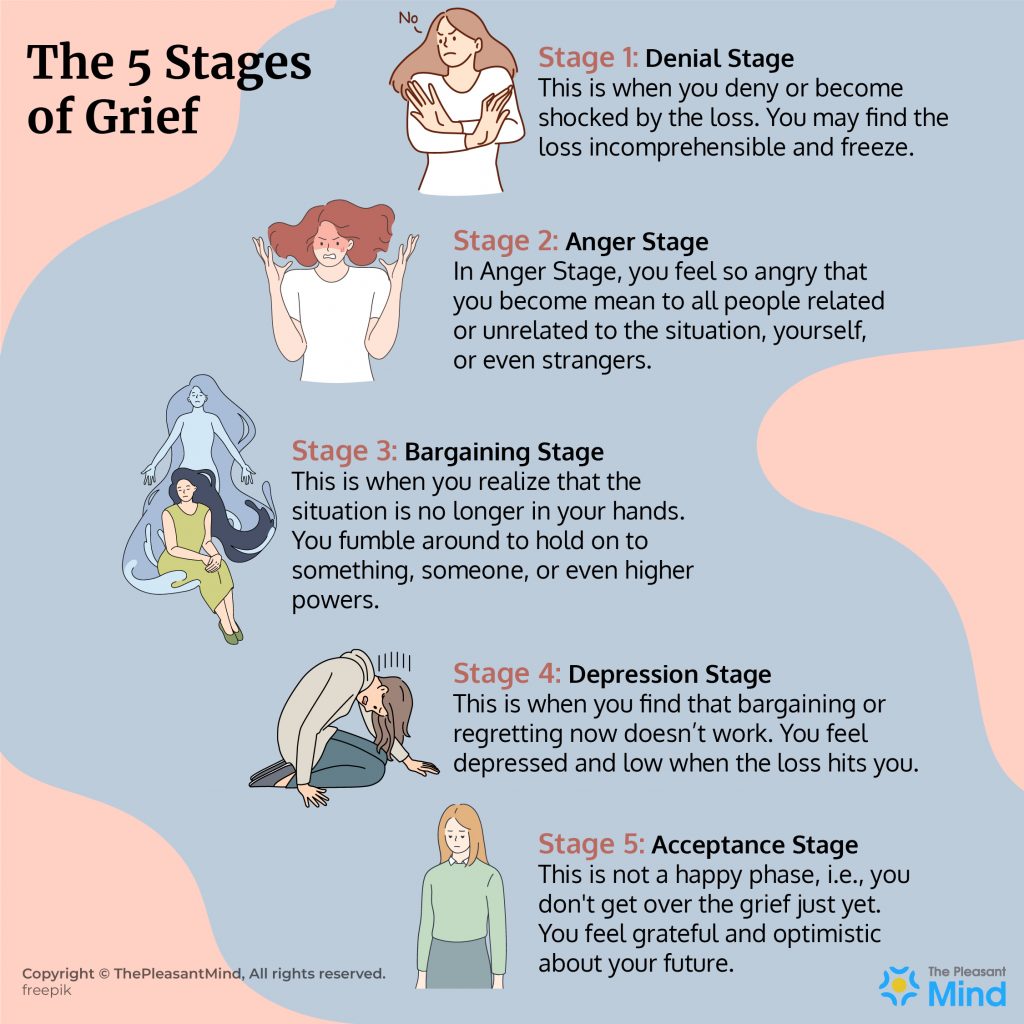
As the shock fades, deep psychological pain sets in. Sensations of remorse or shame might arisewondering if you can have done something differently, or feeling sadness over things left unexpressed. It's important to recognize these sensations as opposed to reduce them. Pain can manifest as angertoward on your own, others, or also the person who has actually passed.

Table of Contents
Latest Posts
Blending of Dynamic Methods and Modern Techniques for Intake and Assessment Services
Identifying Childhood Trauma With Integrated Therapies for Lasting Change
The Process with Integrated Therapy with Trained Specialists
More
Latest Posts
Blending of Dynamic Methods and Modern Techniques for Intake and Assessment Services
Identifying Childhood Trauma With Integrated Therapies for Lasting Change
The Process with Integrated Therapy with Trained Specialists